Matte or Gloss Cabinets?
Discover the pros and cons of matte and glossy finishes for modern kitchens, and which one holds up better in a room you actually cook in.
What each finish does to a room
Gloss reflects. In a narrow galley or a kitchen with one small window, that bounced light is genuinely useful — the room reads brighter and deeper than it measures.
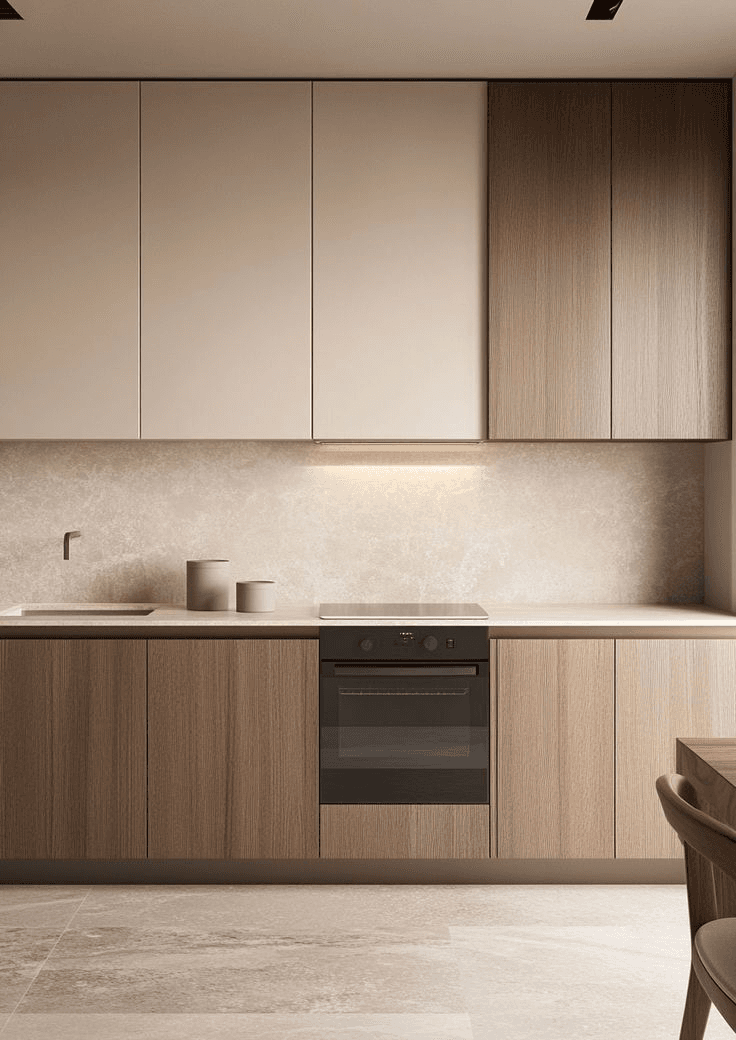
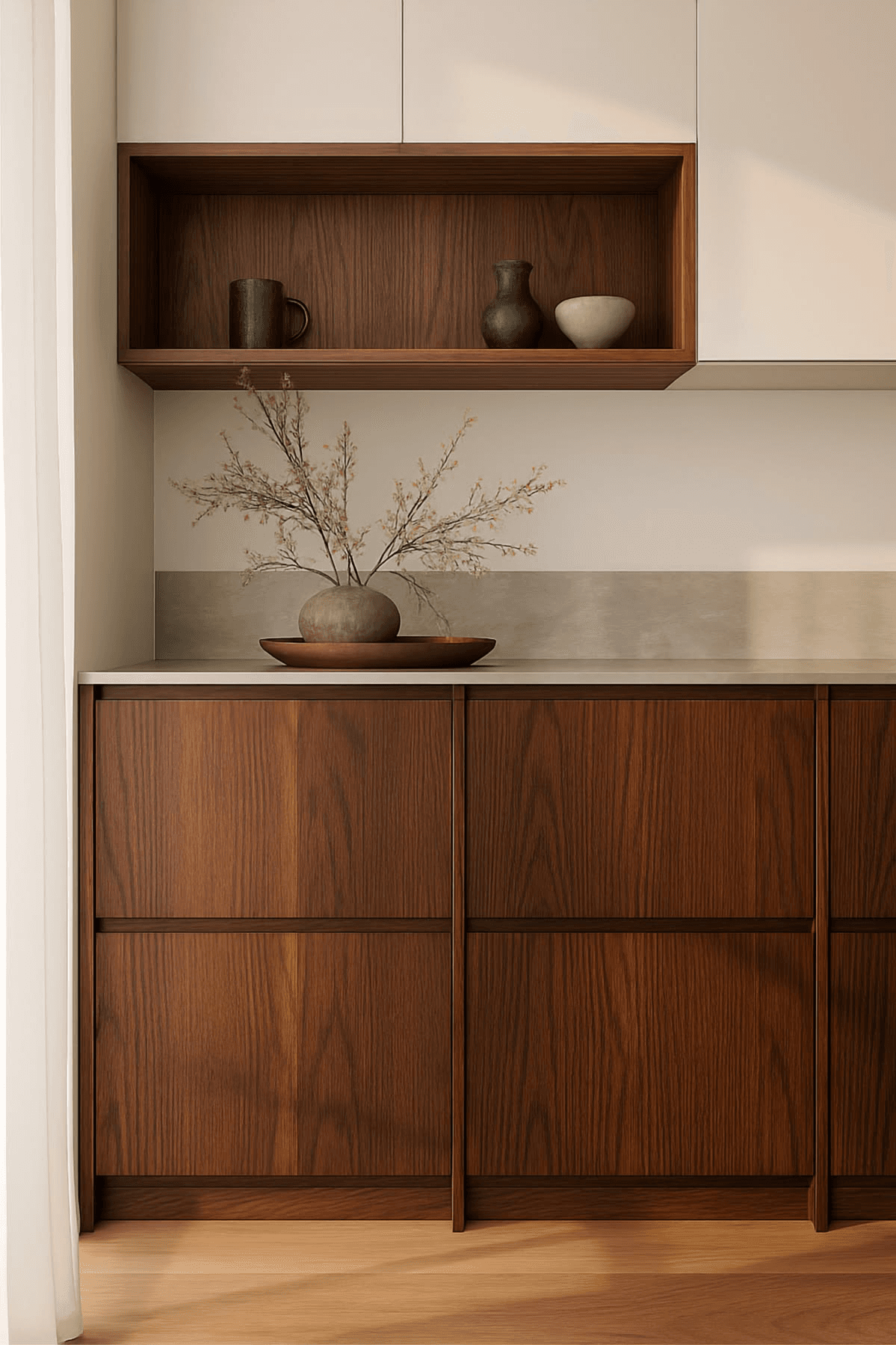
Matte absorbs. It flattens the surface so the eye reads the cabinet as a shape rather than a mirror, which is why it suits large, open kitchens where too much reflection becomes busy.
Fingerprints, honestly
This is the question everyone actually wants answered.
- High gloss shows fingerprints and dust clearly, especially in dark colours. It cleans easily — but it needs cleaning often.
- Matte hides fingerprints well but can hold grease near the range, which takes more effort to remove than a wipe.
- Soft-touch matte is the middle ground: an anti-fingerprint coating over a matte surface. It costs more and is the one most people are happiest with a year in.
Durability
Both survive normal use. The difference is how damage shows. A scratch in gloss catches the light and is visible from across the room; the same scratch in matte often disappears at anything but a raking angle.
Dark gloss is the hardest combination to keep looking new. Light matte is the easiest.
A simple rule
Choose gloss if the room needs light and you don't mind wiping surfaces. Choose matte if the room has plenty of light and you want the finish to be forgiving. If you can't decide, soft-touch matte in a mid tone is the safest specification in the catalogue.